Right to tax exemption in case of reinvestment into a main residence for EUIPO officials and other servants

EUIPO officials and other servants based in Alicante who are non-residents by virtue of Art. 13 of the PPI, are entitled to TAX EXEMPTION under the same conditions as taxpayers resident in Spain when selling their home in Spain and reinvesting the sum into the purchase of a new main residence.
Right to tax exemption in case of reinvestment into a main residence for EUIPO officials and other servants
EUIPO officials and other servants based in Alicante who are non-residents by virtue of Art. 13 of the PPI, are entitled to TAX EXEMPTION under the same conditions as taxpayers resident in Spain when selling their home in Spain and reinvesting the sum into the purchase of a new main residence.
The first paragraph of art. 38(1) of the Law 35/2006 provides for the exclusion from taxation when reinvesting in the main residence “provided that the total amount obtained from the transfer is reinvested in the purchase of a new home”.
The AEAT (the Spanish tax agency) is denying this right and is treating the main residence of these taxpayers as if it were their second home, which generates a discriminatory situation, which we at RIERA CONSULTING have been denouncing for years, as this home is intended to be used as the permanent and main residence of the taxpayer and their family.
It is unacceptable that when a civil servant of the EUIPO (or of the EU administration) who is effectively resident in Spain sells his home, despite being fiscally resident in another EU country under art. 13 of the PPI (Annex VII of the TFEU), the Spanish tax administration prohibits him from applying the exemption for reinvestment provided for in art. 38 of Law 35/2006 of 28 November.
These taxpayers are entitled to have this right recognised when they comply with the requirements established by the law, which are set out in art. 41 bis of Royal Decree 439/2007, of 30 March. In essence, the building must constitute the taxpayer’s residence for at least three years, with exceptions and must be “effectively and permanently inhabited by the taxpayer himself, within a period of twelve months, counted from the date of acquisition or completion of the works”, with some exceptions.
The commitment to reinvest can be made two years before or after the sale, as stated in the third paragraph of Article 41, which establishes that “for the exclusive purposes of the application of the exemptions provided for in Articles 33.4. b) and 38 of the Spanish Tax Law, the taxpayer shall be deemed to be transferring his main residence when, in accordance with the provisions of this article, said building constitutes his main residence at that time or has been considered as such until at any date during the two years prior to the date of transfer”.
Therefore, if it is the house in which the official has lived for more than three years and the proceeds are reinvested in a new home within two years, there should be no impediment to applying the exemption to EUIPO officials or agents who sell their habitual residence.
Once the criteria for exemption are met, they are entitled to the exemption, because otherwise it would be a violation of European law as the Spanish tax administration would be incurring in a discrimination prohibited by the Treaties.
If you find yourself in a similar position, please do not hesitate to contact our office.
Sigue leyendo
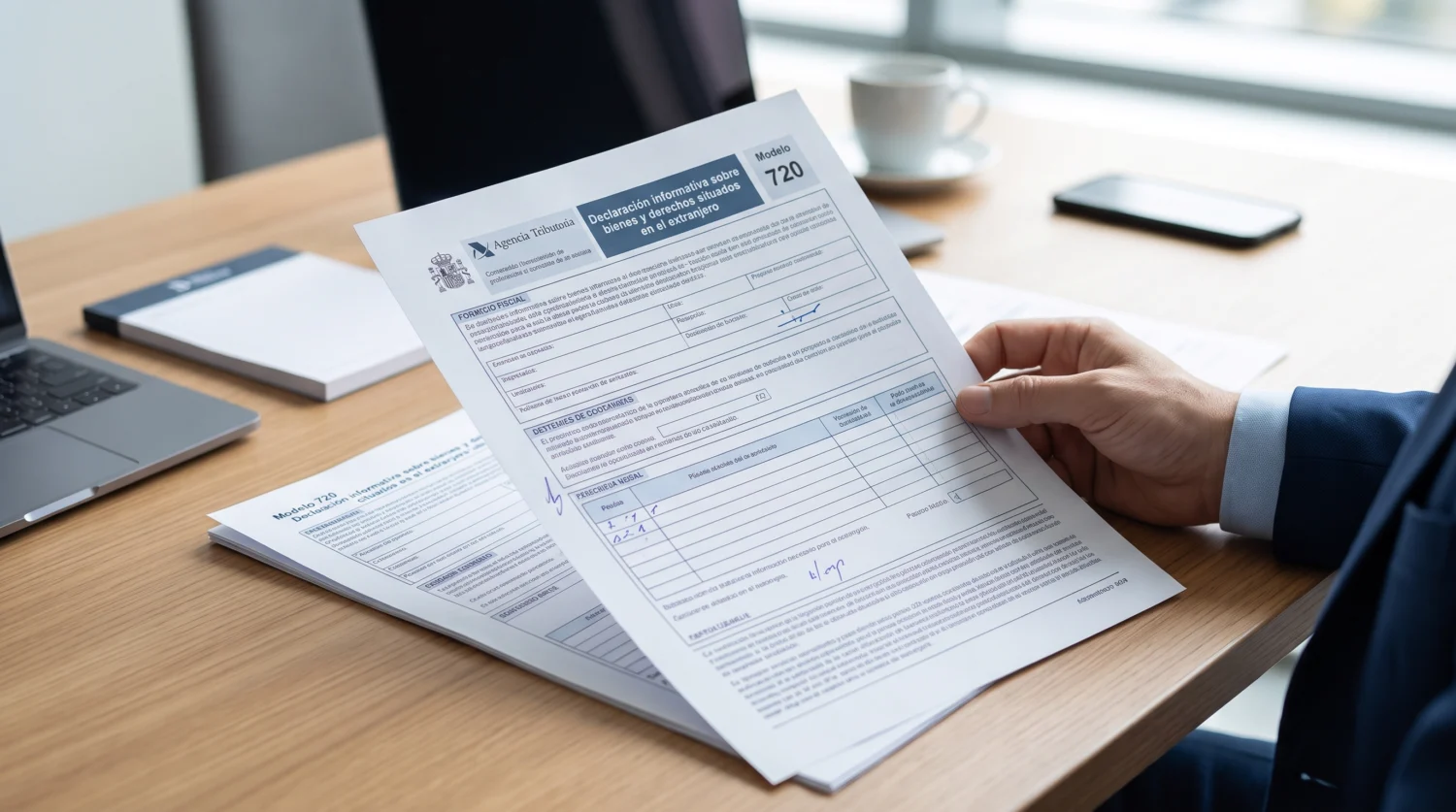
Modelo 720 y nómada digital: quién tiene que presentarlo y qué pasa si no lo haces
El modelo 720 es la declaración informativa anual con la que los residentes fiscales en España comunican a…

Ley Beckham para nómada digital en España: cuándo conviene en 2026 y cuándo no
Requisitos, tipos y límites de la Ley Beckham para nómadas digitales en España: cuándo compensa frente al IRPF…

La pensión de la ONU sí tributa en España: qué dice el Tribunal Supremo y cómo defenderte
Desde la STS 1737/2022, la pensión de la ONU tributa en el IRPF español como rendimiento del trabajo.…

Privilegios fiscales de los funcionarios y agentes europeos
Qué cubre el Protocolo n.º 7 de privilegios e inmunidades de la UE para los funcionarios europeos en…